
On August 1, we pause.
Not because freedom arrived in full, but because we remember the people who imagined it long before they were allowed to live it.
In 2021, Canada officially recognized August 1 as Emancipation Day, marking the anniversary of the Slavery Abolition Act coming into effect across much of the British Empire in 1834. For thousands of enslaved Africans and their descendants, it represented the legal end of one of history’s greatest injustices.
But legal freedom has never been the same as true liberation.
Emancipation Day is both a celebration and an invitation. It asks us to honour those who survived unimaginable violence, to acknowledge the histories that have too often been erased, and to recognize that the work of justice did not end in 1834. The legacy of slavery continues to shape the institutions, systems, and experiences of Black people in Canada and across the diaspora today.
Despite what many of us were taught in school, slavery was part of Canada’s history. Enslaved Africans lived and laboured here for more than two centuries. Their stories deserve to be known—not only because they reveal painful truths, but because they also tell stories of resistance, resilience, community, and hope.
This is why we read.
Reading allows us to recover histories that were silenced. It connects us to the voices of those who came before us and reminds us that books have always been part of Black liberation. There was a time when literacy itself was denied to Black people because knowledge is power. Every book we pick up today is a continuation of that legacy.
At This Black Girl Reads, we believe that reading is more than a hobby. It is remembrance. It is resistance. It is an act of care for ourselves and for those whose stories deserve to live on.
This Emancipation Day, I invite you to read with intention. Read to honour the past. Read to deepen your understanding of the present. Read because every page carries the possibility of a freer future.
Here are 9 books to begin that journey:
1. The Hanging Of Angelique: The Untold Story of Canadian Slavery and the Burning of Old Montreal
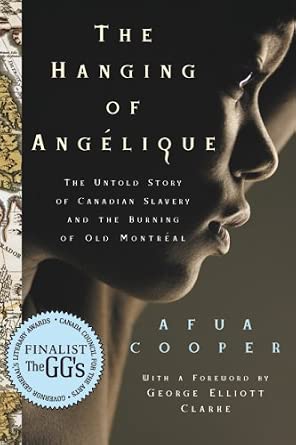
If you’ve ever heard someone say, “Canada didn’t have slavery,” this is the book that challenges that myth.
In this groundbreaking work, historian, poet, and scholar Afua Cooper reconstructs the life of Marie-Joseph Angélique, an enslaved Black woman accused of setting the fire that devastated Montréal in 1734. Through meticulous archival research, Cooper reveals Angélique not simply as a historical figure, but as a woman who resisted enslavement in a society determined to erase both her humanity and the reality of slavery in Canada.
Why it’s on this list:
Emancipation Day isn’t only about remembering the end of slavery, it’s about telling the stories that were left out of our history books. The Hanging of Angélique forces us to confront Canada’s role in slavery while honouring the courage and resistance of a Black woman who refused to quietly accept bondage. It is essential reading for anyone seeking a fuller, more honest understanding of Black Canadian history.
2. The Long Emancipation by Rinaldo Walcott:
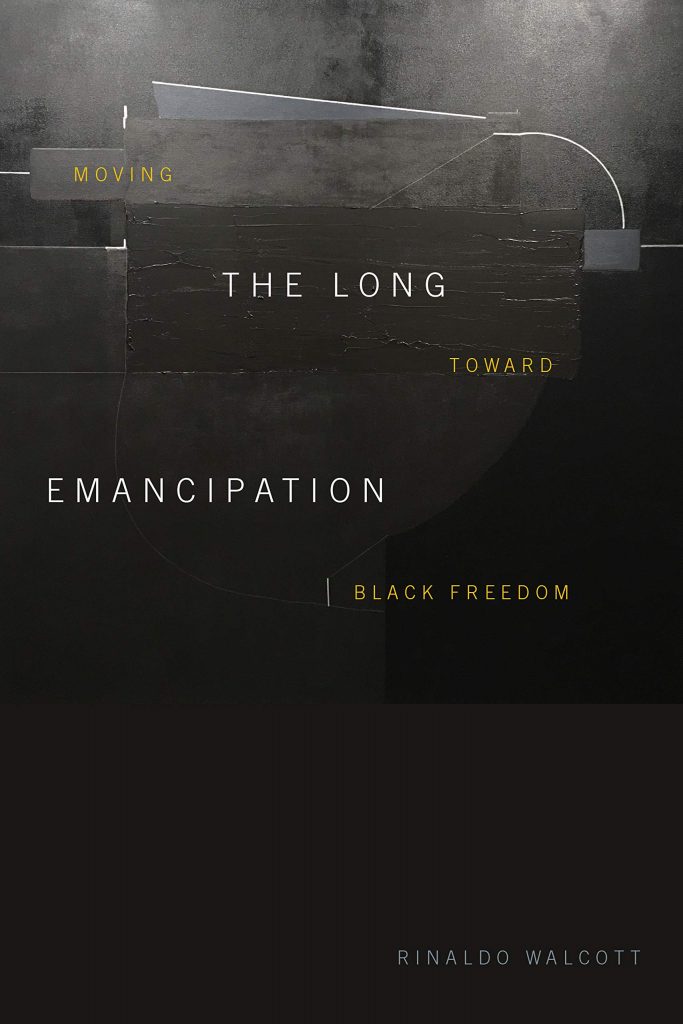
What if emancipation was only the beginning, not the destination?
In this thought-provoking collection of essays, Black Canadian scholar Rinaldo Walcott argues that while slavery may have been abolished, true freedom remains unfinished. Drawing on history, politics, culture, and Black life across the diaspora, Walcott explores how the systems created during slavery and colonization continue to shape the lives of Black people today. He challenges readers to rethink what freedom actually means and invites us to imagine a world where Black liberation is fully realized.
Why it’s on this list:
Emancipation Day asks us to celebrate a historic milestone, but it also asks us to wrestle with an uncomfortable truth: legal freedom and lived freedom are not the same. The Long Emancipation offers the language and framework to understand why the struggle for Black liberation continues nearly two centuries after emancipation. It’s a powerful read for anyone ready to move beyond history and engage with the ongoing work of justice, possibility, and collective freedom.
3. Policing Black Lives: State Violence in Canada From Slavery to the Present by Robyn Maynard
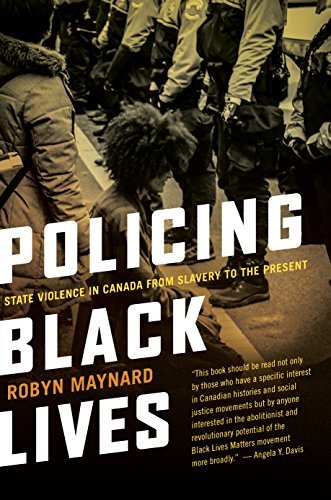
Few books have reshaped the conversation about race in Canada as profoundly as Robyn Maynard’s Policing Black Lives. Through meticulous research and compelling storytelling, Maynard traces nearly 400 years of anti-Black racism in Canada, revealing how the legacy of slavery continues to shape institutions we often believe to be neutral. From policing and prisons to education, immigration, child welfare, and employment, she demonstrates how systemic inequities continue to impact Black communities across the country.
This is not simply a history book, it’s a powerful examination of how the past lives on in the present and why understanding that connection is essential to creating a more just future.
Why it’s on this list:
Emancipation ended slavery, but it did not dismantle the systems that slavery built. Policing Black Lives helps us understand how anti-Black racism has evolved rather than disappeared, offering critical context for the realities many Black Canadians continue to face today. It’s an essential read for anyone committed to moving beyond performative allyship toward a deeper understanding of justice, accountability, and collective liberation.
4. The Polished Hoe by Austin Clarke

A masterwork of Caribbean literature, Austin Clarke’s The Polished Hoe is as haunting as it is unforgettable. Set on a sugar plantation in post-emancipation Barbados, the novel unfolds through the voice of Mary-Mathilda, a woman recounting the events that led to a shocking murder. What begins as a mystery slowly reveals itself to be a powerful meditation on power, exploitation, race, gender, and the enduring scars of colonialism.
Clarke’s prose is lyrical and immersive, inviting readers to wrestle with difficult questions about justice, survival, and who society chooses to condemn.
Why it’s on this list:
Emancipation did not erase the violence of colonialism or the inequalities that followed. The Polished Hoe reminds us that the end of slavery was not the end of suffering for many Black people across the Caribbean. Through Mary-Mathilda’s story, we witness the ways trauma, resilience, and resistance are carried across generations. It is a deeply moving novel that explores the human cost of a system built on exploitation and the extraordinary strength required to endure it.
5. A Map to the Door of No Return: Notes to Belonging by Dionne Brand
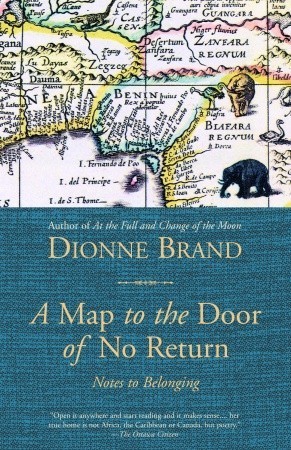
In this deeply personal and philosophical work, acclaimed poet and writer Dionne Brand reflects on memory, migration, identity, and the lasting impact of the transatlantic slave trade. Using the “Door of No Return”, the symbolic passage through which millions of Africans were forced into enslavement, as both a historical and metaphorical starting point, Brand explores what it means to belong when your history has been fractured by displacement and colonial violence.
Blending memoir, history, cultural criticism, and poetry, A Map to the Door of No Return is less interested in providing answers than in asking the questions that continue to shape the Black diaspora: Where is home? What is remembered? What has been lost? And how do we carry our ancestors with us?
Why it’s on this list:
Emancipation Day is about more than marking the end of slavery—it is about remembering the lives, cultures, and histories that slavery sought to erase. Dionne Brand reminds us that the legacy of enslavement is not only political or economic; it is deeply personal, living within our identities, our families, and our search for belonging. This book invites us to reflect on the long journey from captivity toward freedom, and on the ways memory itself can become an act of liberation.
6. The Black Prairie Archives by Karina Vernon
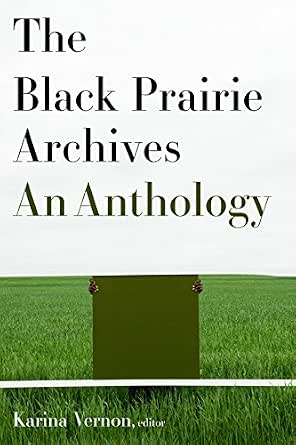
This groundbreaking anthology brings together more than a century of writing by Black people in Western Canada, including essays, poetry, speeches, journalism, and memoir. It recovers voices that have too often been omitted from Canada’s literary and historical record.
Why it’s on this list:
One of the greatest acts of liberation is ensuring that our stories are preserved. The Black Prairie Archives reminds us that Black history exists in every corner of Canada and deserves to be remembered, studied, and celebrated.
7. The Sleeping Car Porter by Suzette Mayr
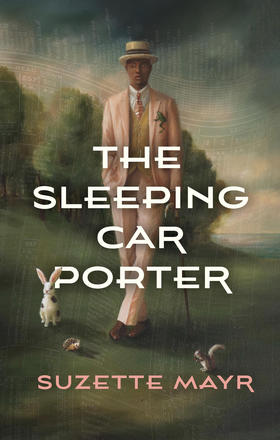
Winner of the 2022 Giller Prize, this novel follows Baxter, a Black sleeping car porter navigating racism, isolation, and identity in 1929 Canada. With tenderness and extraordinary insight, Mayr explores what it means to survive in a country that often refuses to see you fully.
Why it’s on this list:
Emancipation did not erase the barriers facing Black Canadians. Baxter’s story reminds us that liberation is also about the freedom to live authentically, safely, and with dignity.
8. The Book of Negroes by Lawrence Hill
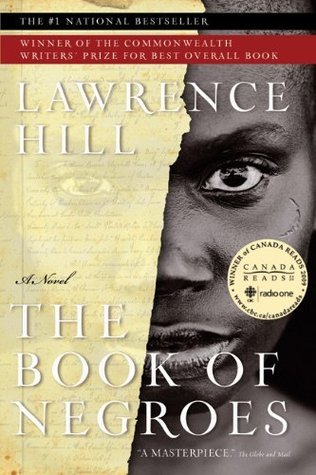
Few Canadian novels have brought the history of the transatlantic slave trade and the fight for freedom to such a wide audience as Lawrence Hill’s The Book of Negroes. Inspired by the real historical document that recorded the names of thousands of Black Loyalists leaving New York for Nova Scotia after the American Revolution, the novel follows Aminata Diallo, who is kidnapped from her village in West Africa as a child and endures the horrors of enslavement before embarking on a lifelong journey in search of freedom, family, and home.
Through Aminata’s unforgettable voice, Hill paints a sweeping portrait of resilience, survival, and the enduring strength of the human spirit across continents and generations.
Why it’s on this list:
Emancipation Day is ultimately about the people whose lives were forever shaped by slavery and whose courage helped forge paths toward freedom. The Book of Negroes reminds us that behind every historical milestone are deeply personal stories of loss, perseverance, and hope. It also shines a light on Canada’s complex relationship with Black history, making it an essential novel for anyone seeking to better understand the legacy of enslavement and the enduring pursuit of liberation.
9. The Long Road Home: On Blackness and Belonging by Debra Thompson
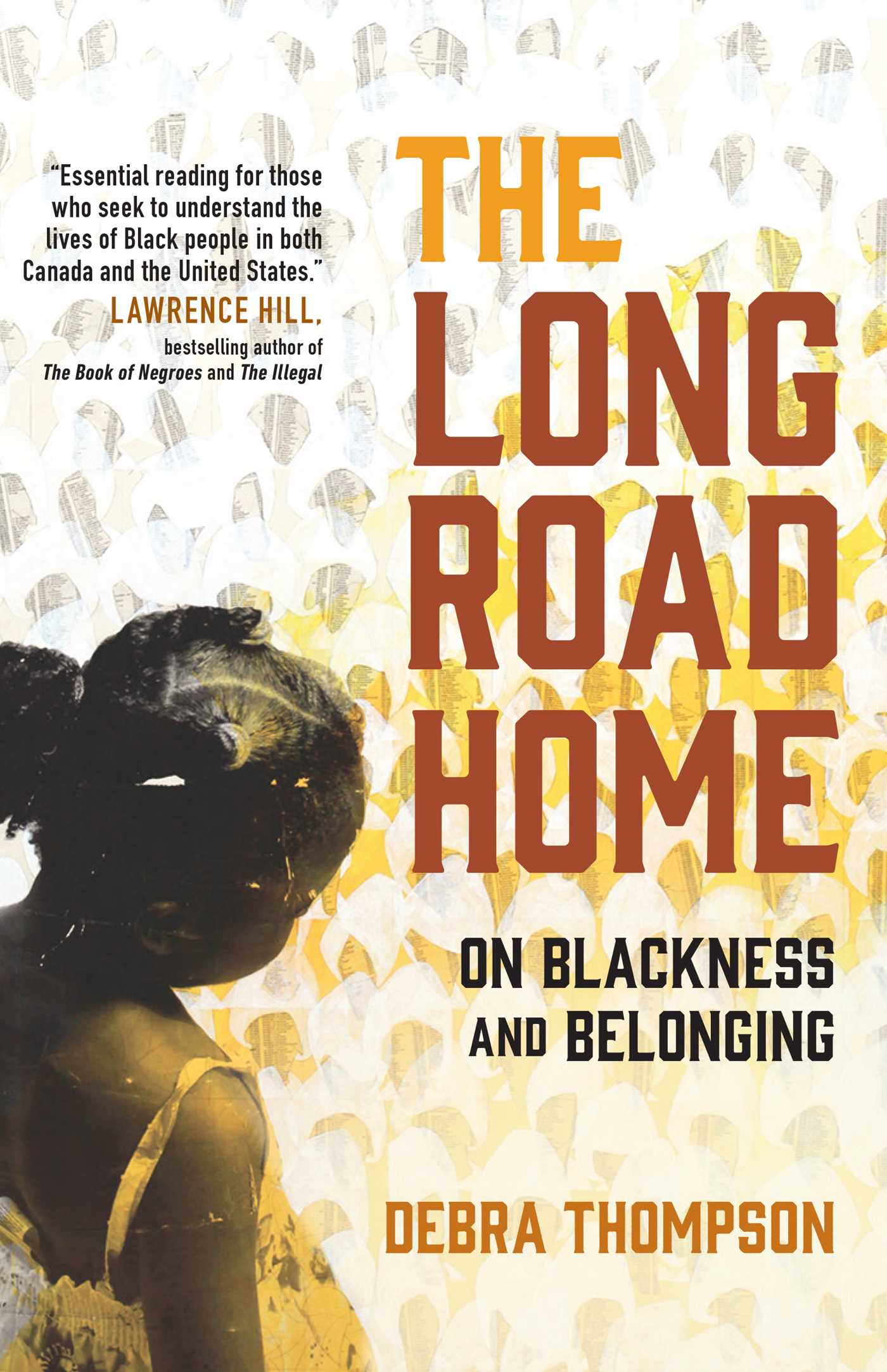
In this intimate blend of memoir, history, and political reflection, Debra Thompson explores what it means to be Black in Canada while searching for a place to truly belong. Weaving together her own family’s story with the broader history of Black life in Canada, Thompson examines how race, identity, migration, and memory shape our understanding of home. Her writing is both deeply personal and profoundly insightful, inviting readers to consider the emotional and political realities of belonging in a country that has often overlooked its Black history.
Why it’s on this list:
Emancipation is about more than the abolition of slavery, it is also about the ongoing journey toward belonging, dignity, and full citizenship. The Long Road Home reminds us that freedom is not simply the absence of chains; it is the ability to see yourself reflected in the story of a nation. Thompson’s work offers a powerful meditation on what it means to claim space, honour ancestry, and imagine a more inclusive Canada, making it a fitting and thought-provoking read for Emancipation Day.
Let me know in the comments which book you’re adding to your list and which one is missing from mine.